Power Up the Heavy Lifting
In the marketing toolbox, AI functions like a power drill that’s built to handle the heavy lifting. It’s especially effective at drafting early content, summarizing research, pulling analytics, and streamlining reporting and operations. These tasks don’t require deep judgment, but they do demand time and precision. By taking on the repetitive work, AI frees your team up to focus elsewhere, like the strategy and creativity that actually moves the needle.
Shopify’s AI Store Builder shows this in action. Instead of spending weeks drafting product descriptions, structuring pages, and building content from scratch, marketers can now enter a few descriptive keywords about their brand and products, and AI generates multiple complete storefronts—headline copy, product language, imagery, layout, and structure included. What used to be a slow, manual content-building process becomes a fast launchpad, giving teams a ready-made first draft to react to. AI functions at its best when it accelerates execution and reduces friction—as Shopify’s AI Store Builder shows—but the real magic comes from human judgement in shaping the final brand experience, messaging, and strategy.
Measure What Actually Matters
When it comes to understanding what’s working, AI acts like a measuring tape. It provides clear readings across audience behavior, trend signals, and performance data, helping teams assess where things stand and how they’re shifting. AI excels at scanning massive amounts of information and uncovering patterns that inform smarter, more confident decisions. But measurements alone don’t create strategy. Human marketers still determine how to interpret those signals and decide what adjustments matter most in the bigger picture.
Netflix, for example, doesn’t just recommend titles. The streaming giant curates the entire browsing experience using AI to understand what actually grabs attention. Its personalization engine analyzes audience behavior to identify which creative cues drive engagement, from thumbnail visuals to how content is presented. For marketers and PR teams, this offers a clear lesson: AI can evaluate potential headlines, story angles, visuals, and campaign assets to determine what’s most likely to land with your target audience. Like a measuring tape, AI helps you map out a room, read the space, and understand patterns at scale—all helping you build smarter, data-driven decisions.
Master the Small Strokes
Some parts of marketing demand the precision of a fine brush, and that’s where AI struggles. Nuance, tone, cultural context, and emotional intelligence require careful, deliberate strokes that algorithms can’t fully replicate. AI may generate language quickly, but it often lacks the sensitivity needed to know when to soften a message, pause, or say less. Without oversight, AI-generated copy can feel imprecise or off-brand. Precision work still requires a human hand guiding the details.
Nike’s
“Never Done Evolving” campaign shows AI at its best—as a tool, not the artist. Decades of Serena Williams’s match footage were analyzed by AI to simulate a virtual tennis match between her younger and current self, creating visuals that were impossible with traditional methods. AI painted the strokes quickly and with technical brilliance, but it couldn’t decide what to highlight or how to make it feel meaningful. That’s where humans stepped in to shape the narrative, select the emotional beats, and ensure the story landed across cultures. AI amplified creativity, but the subtlety, nuance, and context that make the message truly powerful came from human hands.
Build Trust by Hand
In marketing, machinery and tools can handle the heavy lifting behind the scenes, but building trust requires the human touch. Trusted relationships with media, partners, and industry communities are built through face-to-face interaction, consistency, responsiveness, and genuine connection over time—things no algorithm can replicate.
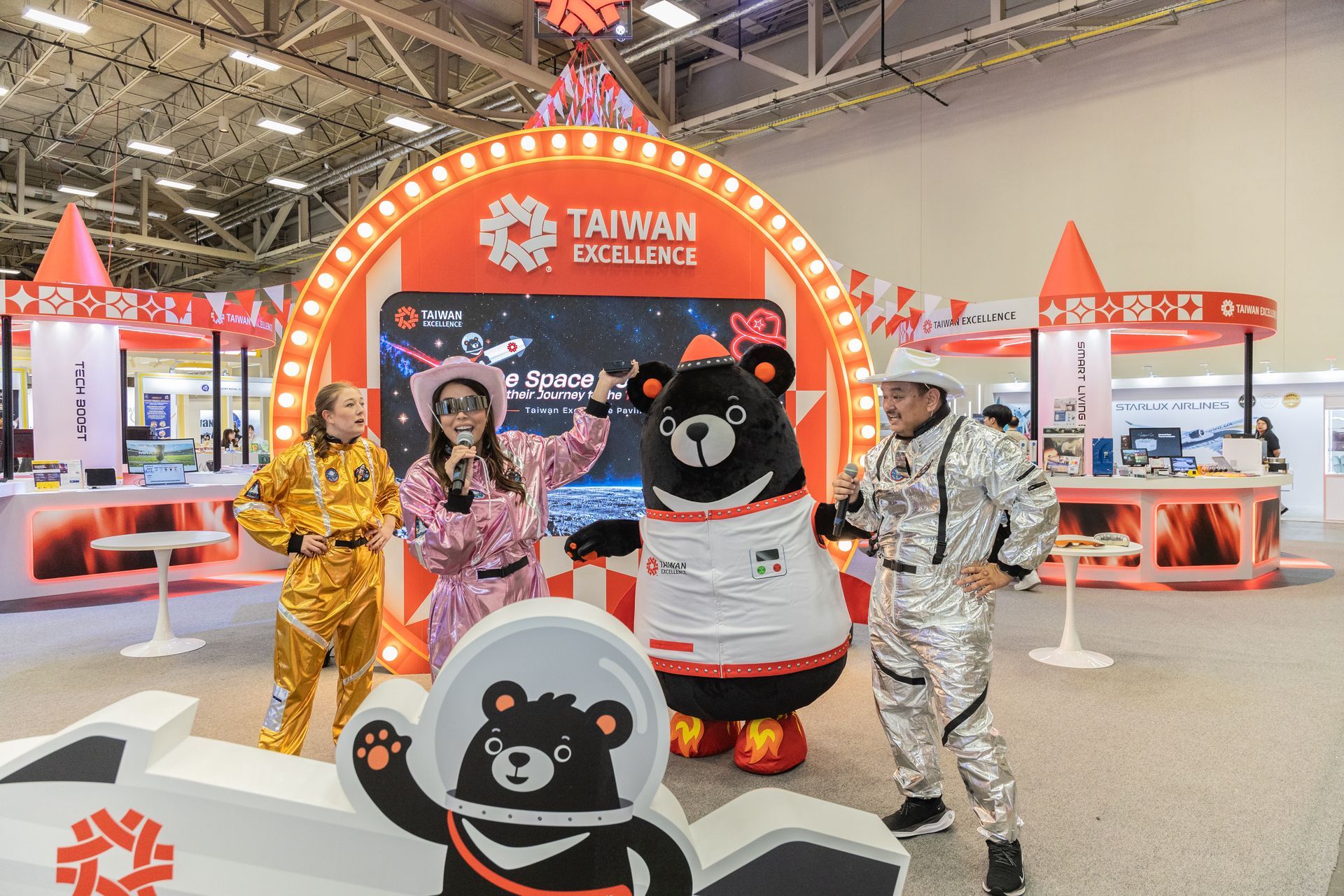
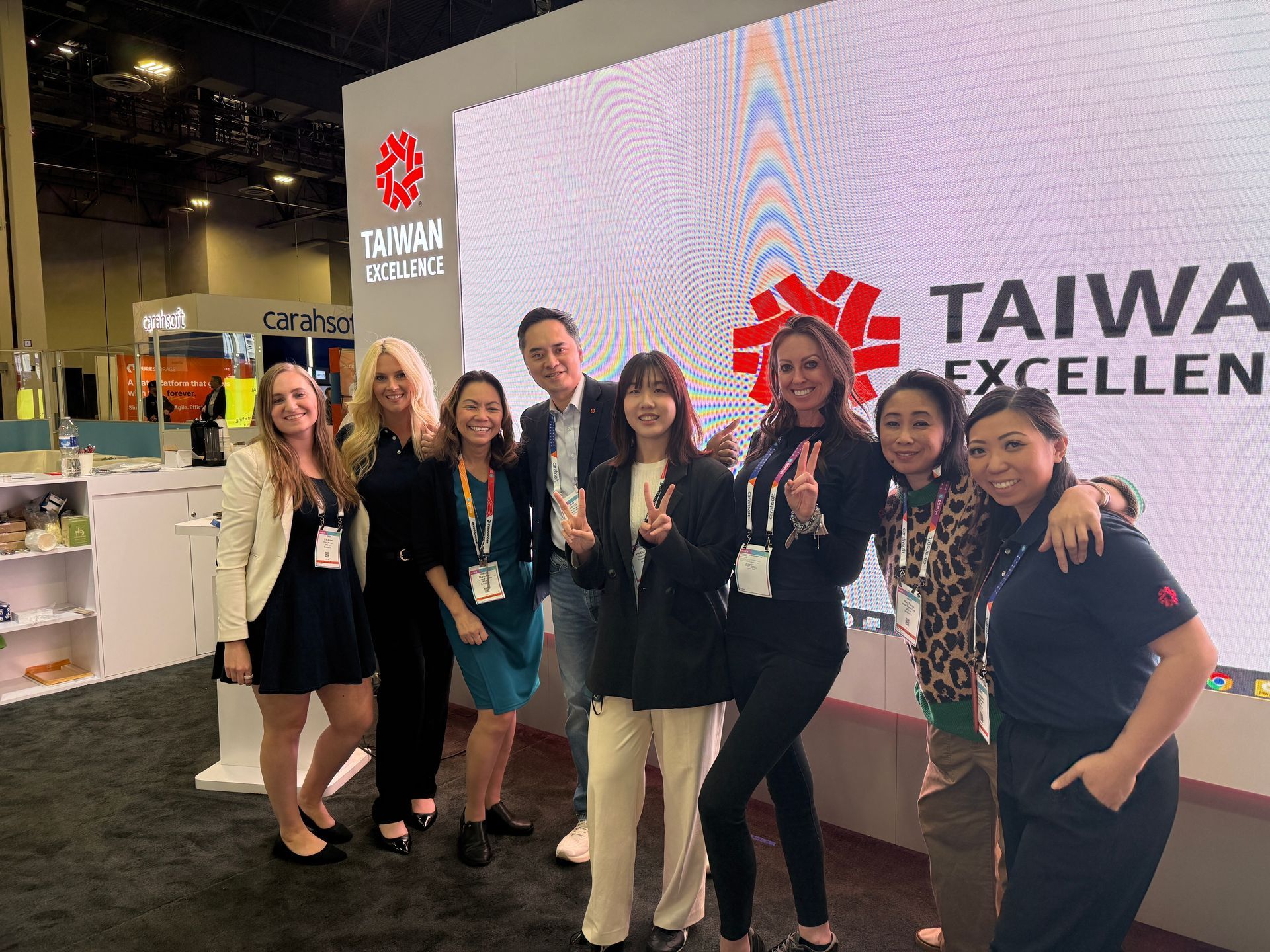
That’s exactly what SKC brought to our client Taiwan Excellence’s return to InfoComm after a nine-year absence. More than a comeback, the event was a defining opportunity to reintroduce Taiwan’s AV innovation to a global audience. Meeting that moment required more than speed or automation. SKC led with human-driven engagement—designing in-person experiences, facilitating executive-level conversations, and nurturing media relationships through thoughtful, real-time interaction on the show floor. Behind the scenes, AI powered research into industry trends, surfaced timely potential news hooks, and supported content ideation like a reliable drill or measuring tape. But trust was earned through face-to-face dialogue, cultural fluency, and follow-through. In the end, AI strengthened the toolkit—and the handshakes are what made the work matter.
Lay Out the Blueprint
The best results happen when humans hold the blueprint and AI supports the construction. Strategy, creativity, and decision-making must remain human-led, with AI surfacing insights and expanding possibilities. When positioned this way, AI becomes a powerful extension of the team rather than a shortcut around thinking.
Take H&M’s AI digital twins campaign as a standout case of humans steering AI tools effectively. For a recent fashion rollout, the brand used generative AI to create hyper‑realistic digital twin models that could pose, move, and showcase diverse styles, generating a massive library of visual assets in record time. But AI didn’t dictate the story. Creative teams collaborated closely with technologists to ensure each digital twin still reflected the individuality and style of real models, while also crafting the campaign’s narrative, direction, and overall tone. Here, AI acted like a master builder’s support team, speeding up production and expanding creative options while human strategists held the blueprint. The result: a bold, dynamic campaign that combined speed, scale, and unmistakable brand personality.
AI is a powerful addition to the marketing toolbox, but it’s just one tool among many. When humans steer strategy, creativity, and relationships, AI kicks execution into high gear. The brands that shine are the ones that combine technology with human intuition, turning smart tools into stories that stick, connections that count, and campaigns that champion creativity.
Ready to put AI to work for your marketing without losing the human touch? Click the button below for a free consultation: